

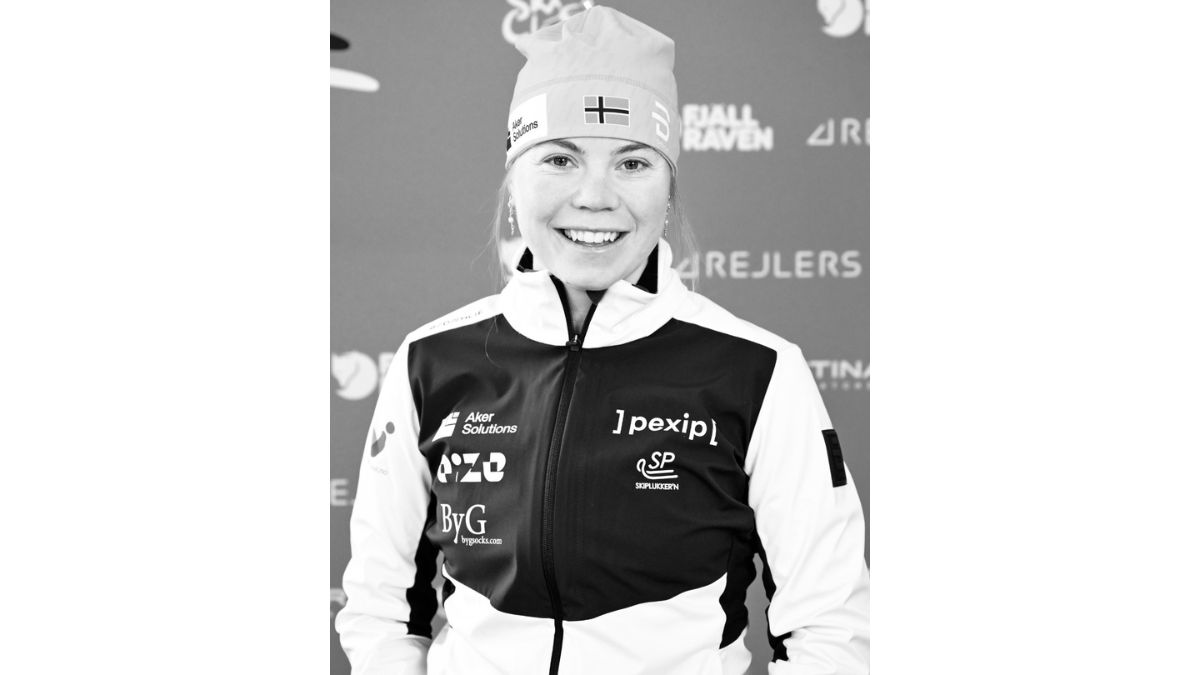
Norwegian cross-country skier Guro Jordheim had established herself as a respected competitor in long-distance skiing circuits before her career came to an early close in 2025.
She competed for Team Aker Dæhlie and became known for her endurance in Ski Classics events, where athletes race in some of the most demanding marathon-style cross-country competitions in Europe.
One of her standout results came at the 2025 Vasaloppet, where she finished ninth, marking a career highlight on one of the sport’s most iconic courses.
The result reflected years of steady progress and commitment to training, as she balanced elite sport with education and life planning.
Jordheim’s development as an athlete began long before her professional breakthrough. She spent several formative years competing in the United States while studying at the University of Utah, where she was part of the university ski team.
The experience helped shape her into a more versatile skier, exposing her to different training environments and competition formats.
After returning to Norway, she joined the long-distance skiing scene full-time, eventually becoming part of Team Aker Dæhlie’s roster.
In April 2025, she announced her retirement from elite skiing following what was considered her strongest season, choosing to step away while still in strong form.
Outside of sport, she had begun preparing for a future beyond competition, including involvement in family responsibilities and small business activity connected to her home region.
Avalanche in Hemsedal and legacy
Jordheim died in a tragic avalanche earlier in the week in Hemsedal, Norway, an area known for its popular backcountry skiing terrain.
According to reports from skiing organizations and local authorities, she was among a group caught in a slide that occurred around mid-morning, prompting a major search and rescue response.
Four people were initially reported missing after the avalanche, and rescue teams located all individuals within an hour. Despite rapid response efforts, two people did not survive, including Jordheim and a Swedish man identified as Max Andersson.
Jordheim had been working in Hemsedal in ski-related roles after ending her competitive career, including involvement with ski patrol duties in the region.
She had also been preparing to take over her family farm, reflecting a shift toward life beyond professional sport. Her death has been widely mourned within the Nordic skiing community, where she was remembered for her positive presence, determination, and contributions to long-distance racing.
Former teammates and organizers described her as a valued competitor who brought energy and professionalism to every event she entered.
Her legacy in long-distance skiing remains closely associated with her steady progression through the Ski Classics circuit and her ability to compete at a high level against some of the strongest endurance skiers in the sport.
Colleagues and observers in the Nordic skiing world have highlighted her commitment to training, her calm demeanor under pressure, and her willingness to support teammates both on and off the course.
Although her career ended earlier than many expected, her final seasons were marked by consistent performances that culminated in her top ten result at the Vasaloppet.
Beyond results, she was regarded as someone who contributed positively to team culture and the broader skiing community.
Her passing has left a significant impact on those who knew her, as well as on the international long distance skiing scene where she competed in Europe now in Europe widely.








Leave a Reply