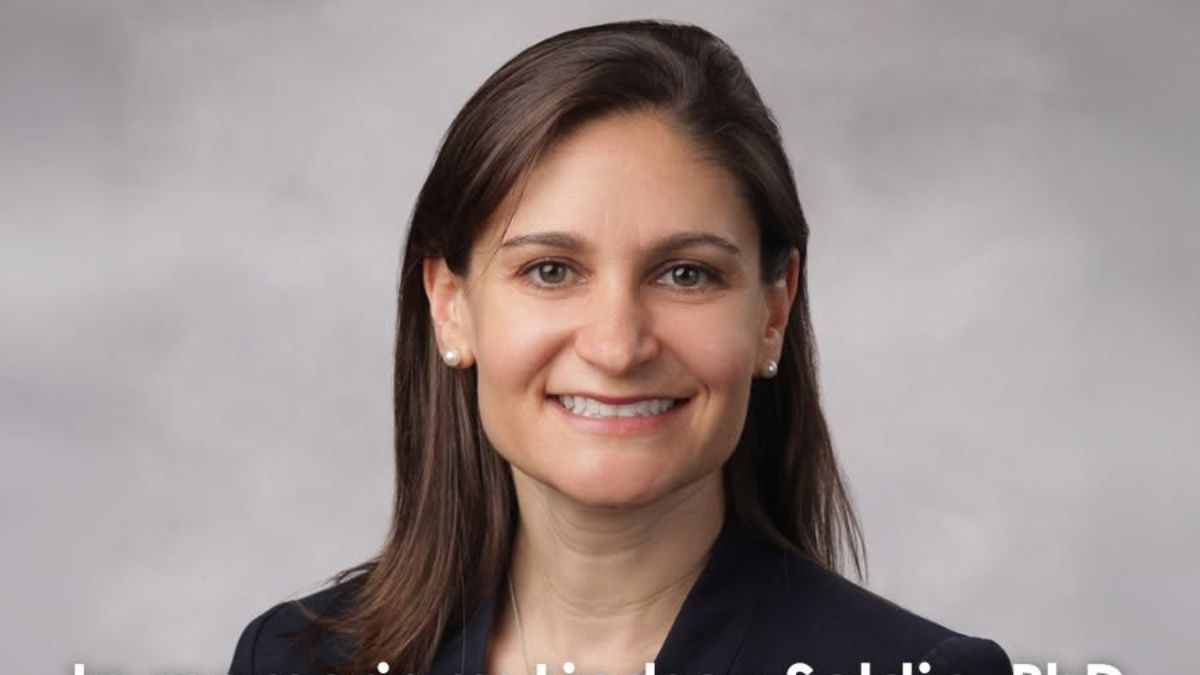
The Winship Cancer Institute of Emory University is mourning the death of Lindsey Seldin, PhD, an assistant professor whose research into skin disease and cancer earned her recognition as a talented scientist and beloved mentor within the university community.
Winship announced her death through a statement posted on the institute’s official Facebook page, describing Seldin as someone whose work “contributed significantly to the field and defined new mechanistic targets and methods for treating inflammatory skin disease and cancer.” The announcement noted that she would be “deeply missed” by colleagues and students alike.
The post drew an outpouring of grief and support from the community, with dozens of comments offering condolences to Seldin’s family, friends, and coworkers.
Commenters described her passing as “a loss to the scientific community” and “a loss for Winship,” while others simply offered prayers for those closest to her.
A Career Devoted to Understanding Skin Disease and Cancer
Seldin held a joint appointment as an assistant professor in Emory’s Departments of Cell Biology and Dermatology at Emory University School of Medicine. She was also an active member of the Cell and Molecular Biology Research Program at Winship Cancer Institute, one of the school’s key hubs for cancer research.
Her academic path began at Duke University, where she earned her PhD in Cell Biology in Durham, North Carolina. She went on to complete postdoctoral research at Vanderbilt University in Nashville, Tennessee, focusing on epithelial stem cell plasticity, a field that would go on to shape much of her later work.
At Emory, Seldin led a lab dedicated to understanding the mechanisms that regulate epithelial stem cell fate throughout development, tissue maintenance, and tumor formation in the skin and related structures such as the hair follicle and mammary gland.
Her team used a wide range of scientific approaches to study these processes, including mouse transgenic models, lineage tracing, three-dimensional organotypic culture systems, and advanced imaging techniques such as intravital, live, and confocal microscopy. The lab also relied on RNA sequencing technology to dig deeper into the molecular underpinnings of skin biology.
The broader aim of her research was to help pave the way toward more effective and targeted treatments, both for regenerative medicine and for diseases affecting the epidermis.
Colleagues say that goal reflected her commitment not just to scientific discovery for its own sake, but to work that could eventually translate into real benefits for patients dealing with skin conditions and cancer.
Colleagues and Community Remember Her Impact
Reaction to the news of her death spread quickly across social media, with many describing the void her absence will leave in both the research and academic communities at Emory.
Comments on the Winship Facebook post ranged from brief expressions of sympathy to more personal reflections on her contributions to cancer and dermatological research.
One commenter wrote that they were thankful for her knowledge and her efforts toward treating what they called “the awful disease of cancer and skin disease.”
Others extended condolences directly to her family and to those who worked alongside her at Winship and within Emory’s broader research community.
Seldin’s academic profile remains listed on Emory’s website, along with links to her published research, her presence on ResearchGate and PubMed, and information about her lab, known as the Seldin Lab.
Her body of published work is expected to continue influencing research into epithelial biology and skin disease treatment for years to come.
Winship Cancer Institute, part of Emory University, has not released additional details regarding funeral arrangements or a memorial service at this time.
The institute’s statement asked the community to keep Seldin’s family, friends, and colleagues in their thoughts during this difficult time.