

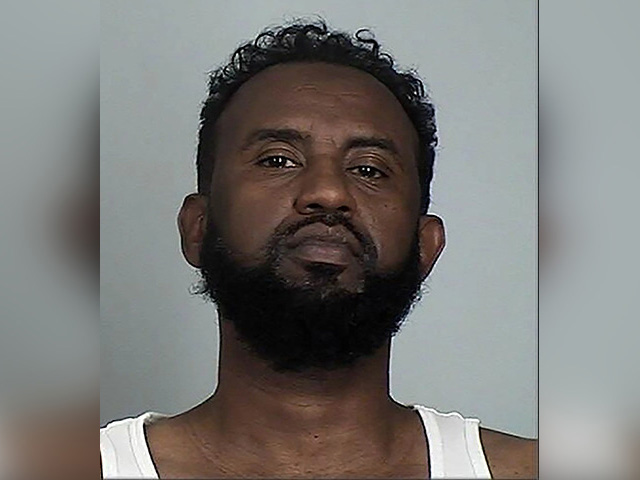
Several individuals convicted in Minnesota’s high-profile Feeding Our Future fraud case allegedly used stolen federal COVID-19 relief funds to finance luxury lifestyles, according to court documents and recent reports, as scrutiny over fraud in the state continues to grow.
Federal prosecutors say the scheme diverted hundreds of millions of dollars intended to provide meals for low-income children during the pandemic. Instead, much of the money was allegedly spent on high-end real estate, luxury vehicles, international travel, and overseas investments, rather than food distribution.
Court records cited by the New York Post indicate that some defendants purchased condominiums, expensive cars, and property in Kenya using fraud proceeds.
One defendant, Liban Yasin Alishire, 43, pleaded guilty in 2023 to wire fraud and money laundering. Prosecutors say he spent approximately $350,000 of the stolen funds on a resort in Kenya, which offers guests amenities such as personal chefs.
Prosecutors also allege that Aimee Bock, described as a central figure in the scheme, used fraud proceeds to support an extravagant lifestyle. Court filings state that Bock paid her former boyfriend, Empress Malcolm Watson Jr., a $1 million salary through a fraudulent contract. The pair allegedly rented exotic vehicles such as Lamborghinis and Rolls-Royces, sometimes costing up to $2,000 per day, and took luxury trips to destinations including Las Vegas and Graceland. Watson Jr. reportedly displayed the spending on social media.
In June 2024, federal authorities charged nearly 50 defendants in connection with the Feeding Our Future case, accusing them of stealing roughly $250 million through fake meal sites and falsified claims.
More recently, Assistant U.S. Attorney Joseph Thompson warned that fraud has become a significant problem in Minnesota’s public assistance programs. He stated that an estimated $18 billion in welfare funds may have been lost to fraud, calling the situation deeply concerning.
“Minnesota has become a magnet for fraud,” Thompson said, noting that unlike traditional Medicare or Medicaid fraud — which often involves overbilling — many of these cases involve entirely fictitious services and companies submitting false claims.
The revelations come amid continued investigations and public reporting into alleged fraud involving daycare and healthcare programs in the state. Authorities say multiple investigations remain ongoing.









Leave a Reply