


A Las Vegas man will spend nearly two decades in federal prison after pleading guilty to selling oxycodone pills laced with fentanyl that killed a Layton woman in October 2023, federal prosecutors announced Tuesday.
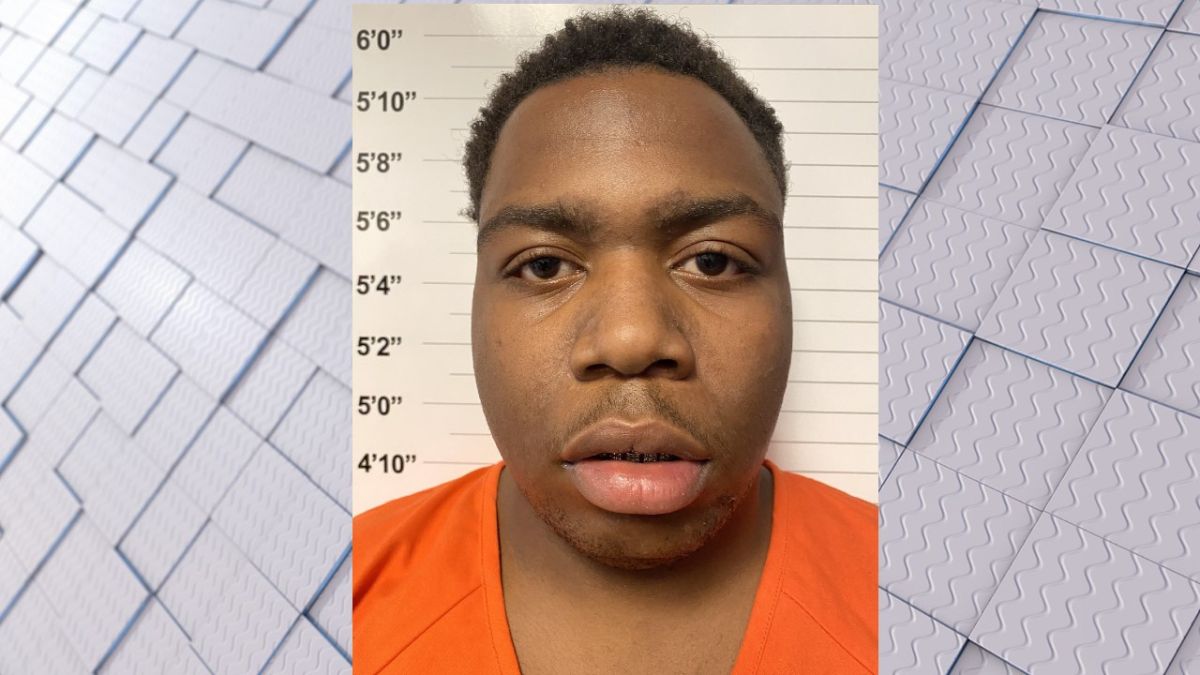
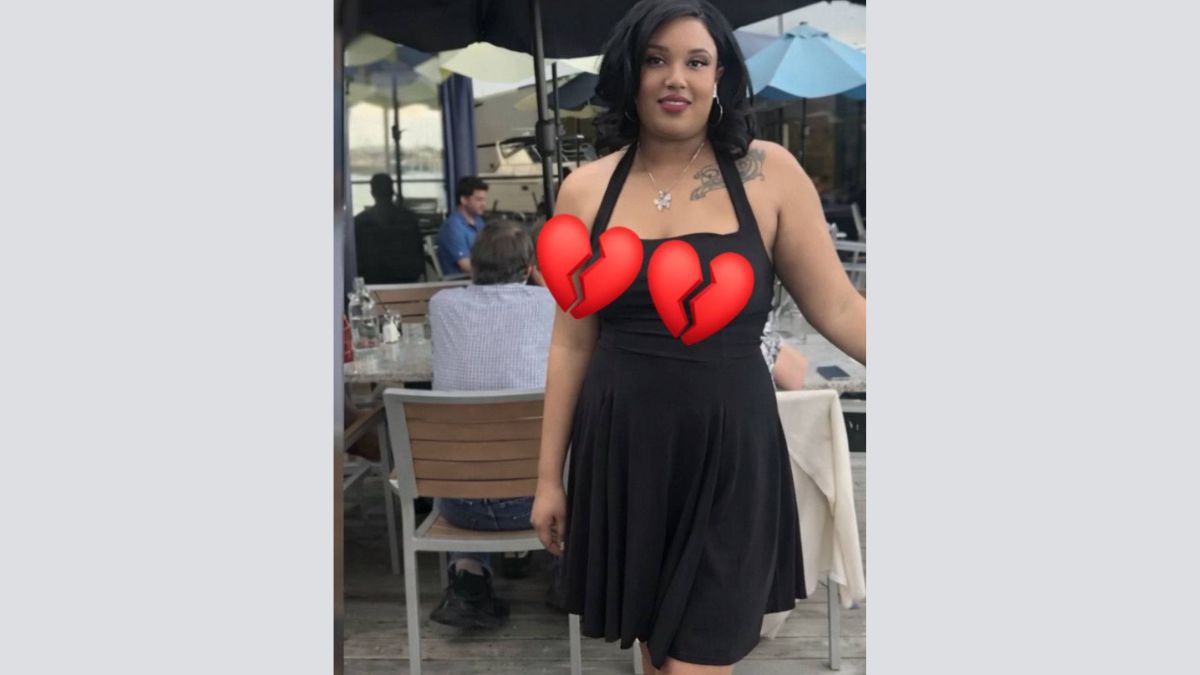
Bryan Walter McMahan, 41, received a 17-year sentence after he was convicted of distributing counterfeit pills that caused the death of a Utah woman whose identity has not been released. The case underscores ongoing efforts by federal and local authorities to prosecute dealers whose drugs lead to fatal overdoses.
Fatal Transaction Traced Through Mail System
According to the U.S. Attorney’s Office for the District of Utah, McMahan mailed the fentanyl-laced pills from Nevada on October 7, 2023. The package arrived at the victim’s Layton home on October 10.
The woman was later found dead after ingesting the pills. Investigators located key evidence at the scene, including an envelope with McMahan’s return address and three blue pills beneath the victim’s body.
This physical evidence directly linked McMahan to the fatal overdose, allowing prosecutors to build a case connecting the Nevada dealer to the Utah victim through interstate shipping.
Comprehensive Sentencing Package
U.S. District Court judges issued a multi-part sentence aimed at punishing McMahan while providing some restitution to the victim’s family. Along with his 17-year prison term, McMahan must pay $8,888 in restitution. After his release, he will serve three years of supervised release under federal monitoring.
Prosecutors confirmed McMahan changed his plea during the case, though they did not specify which charges he ultimately admitted to as part of any agreement.
Multi-Agency Investigation Delivered Results
The Layton City Police Department and the local DEA office investigated the woman’s death, with detectives from the DEA Fentanyl Overdose Death Task Force leading the case.
The task force represents a growing national strategy to treat overdose deaths as potential homicides and aggressively pursue those responsible. Layton Police Lt. Clint Bobrowski reaffirmed the department’s commitment to supporting victims’ families and investigating fentanyl-related deaths thoroughly.
“Any loss of life in our community is heartbreaking, and our thoughts remain with the victim’s family and loved ones,” Bobrowski said. “Our Detectives assigned to the DEA Fentanyl Overdose Death Task Force were committed to uncovering the truth behind this tragedy and identifying those responsible.”
Federal Prosecutor Warns About Counterfeit Pills
U.S. Attorney Melissa Holyoak highlighted the broader danger of counterfeit pills circulating in illicit drug markets, emphasizing their unpredictable and often lethal contents.
“A young woman lost her life as a result of reckless criminal conduct, and no amount of imprisonment can change the course of that tragic outcome,” Holyoak said.
She warned the public about purchasing pills from unauthorized sources, stressing the impossibility of knowing what substances counterfeit medications contain.
“It is important to remember that just one pill can kill,” she said. “There is no way of knowing what controlled substances are contained in counterfeit pharmaceuticals for sale on the illicit market.”
Fentanyl Crisis Context
McMahan’s case reflects a national crisis involving fentanyl, a synthetic opioid roughly 50 times stronger than heroin. Dealers increasingly mix fentanyl into counterfeit pills designed to mimic prescription medications such as oxycodone, Xanax, or Adderall.
These fake pills pose extreme danger because users believe they are taking legitimate medications when they are actually ingesting unpredictable — and often deadly — fentanyl doses. Lab testing is the only reliable way to determine a pill’s contents.
Law enforcement agencies have made investigating overdose deaths and prosecuting responsible dealers a top priority. McMahan’s 17-year sentence demonstrates how seriously federal courts treat fentanyl distribution resulting in death.
Interstate Drug Trafficking Complications
McMahan used the mail system to send drugs across state lines, bringing federal charges and stiffer penalties. Dealers frequently exploit shipping services to reach customers nationwide, making partnerships with postal inspectors and shipping security teams critical.
However, the massive volume of packages makes thorough screening impossible, allowing many drug shipments to go unnoticed. In this case, prosecutors built their case after the fatal overdose rather than intercepting the package beforehand.
Victim Advocacy and Prevention
Although the court delivered a significant prison sentence, no legal action can restore the victim’s life or heal her family’s loss. Restitution provides only limited financial acknowledgment, as defendants often lack the means to pay sizable amounts.
Public health officials continue emphasizing prevention through education about counterfeit pill dangers, expanded access to addiction treatment, and harm reduction tools such as fentanyl test strips.
Addressing the fentanyl crisis requires a broad approach that blends prosecution, prevention, and treatment — a recognition reflected throughout the McMahan case.






Leave a Reply