Charleston man Edward Tavel dies in Shem Creek boat crash, sparking debate on accountability, privilege, and boating safety.
Charleston, South Carolina, is reeling from the tragic events surrounding the Shem Creek boat crash that claimed the life of Edward Marion Tavel III and left a community grappling with questions of accountability, privilege, and safety on the water.
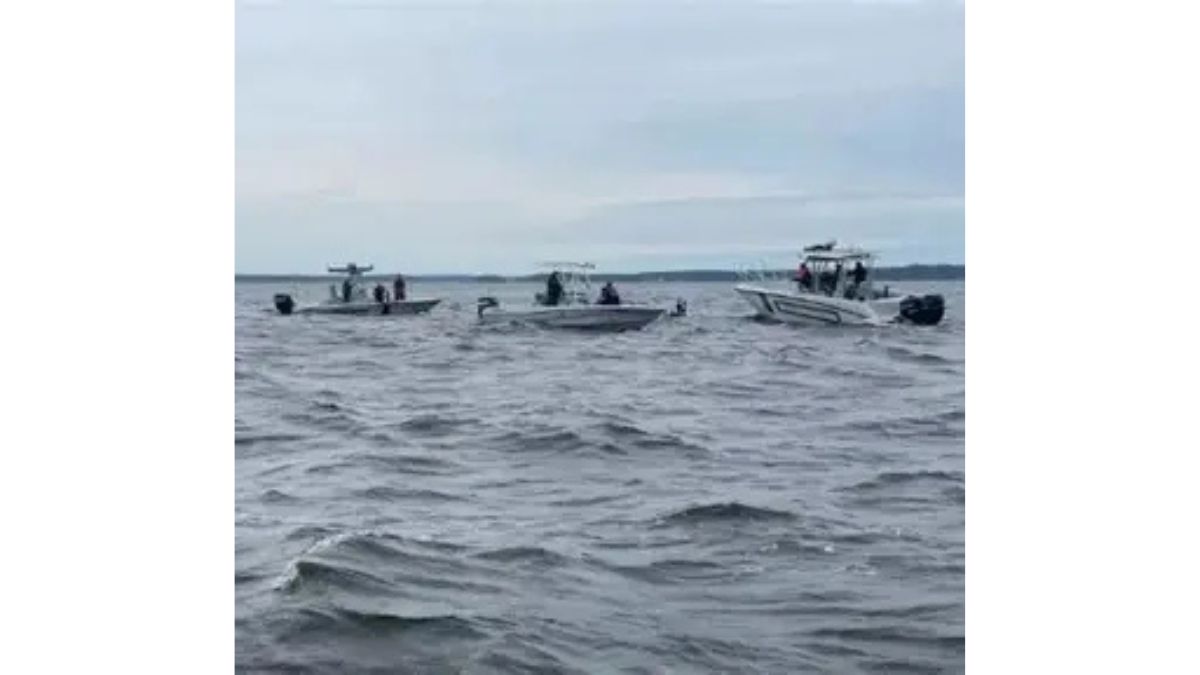
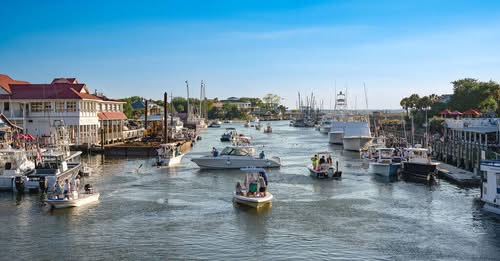
The incident occurred late on the night of April 25, 2026, when a vessel carrying seven passengers struck a dock near King Street by the Old Village in Mount Pleasant.
Among those on board was nineteen‑year‑old Citadel cadet Evan Andrew Greenleigh of Bethesda, Maryland, who was killed instantly from blunt force injuries despite resuscitation efforts.
Several other passengers sustained injuries and were treated at the Medical University of South Carolina.
The crash quickly drew attention across Charleston and beyond, not only because of the devastating loss of a young cadet but also because of the involvement of Edward Tavel, the son of well‑known Charleston physician Dr. Edward M. Tavel Jr.
Investigators with the South Carolina Department of Natural Resources determined that alcohol played a role in the accident, with witnesses reporting that passengers had been drinking for hours before the collision.
A 911 caller described the chaotic aftermath, stating that those on board were too impaired to help, a detail that underscored the dangers of boating under the influence.
In the days following the crash, authorities charged Edward Tavel III with one count of manslaughter.
He was granted a $50,000 personal recognizance bond, allowing his release without posting money, a decision that sparked debate and comparisons to other high‑profile boating tragedies in South Carolina.
Many residents voiced concerns about whether privilege and family connections influenced the pace of the investigation and the bond decision, recalling past cases where accountability was delayed.
The death of Evan Greenleigh added a heartbreaking dimension to the case.
His obituary described him as someone who “always led with kindness and love” and made others feel seen, a young man whose potential was cut short in a senseless accident.
For his family, classmates, and friends at The Citadel, the loss was immeasurable, and tributes poured in recognizing his compassion and promise.
For the Tavel family, the incident brought grief and scrutiny. Edward Tavel III’s involvement in the crash became part of a broader conversation about boating safety and responsibility.
The Shem Creek tragedy reignited debate over alcohol use on waterways, with community members and officials calling for stricter enforcement of boating regulations to prevent similar incidents.
The South Carolina Department of Natural Resources continues to investigate, piecing together witness statements, toxicology reports, and the timeline of events leading up to the collision.
The case remains under close watch, with its outcome likely to influence future discussions on accountability and safety along South Carolina’s coast.
The Shem Creek crash has left a lasting mark on Charleston, not only because of the lives lost but also because of the questions it raises about justice and responsibility.
Residents have expressed sorrow for both families, recognizing the profound loss of two young men and the ripple effect felt across the community.
The tragedy serves as a stark reminder of the dangers posed by impaired boating and the importance of vigilance on the water.
As Charleston mourns, it also confronts the need for change, ensuring that the lessons learned from this devastating incident lead to stronger protections and greater accountability in the future.