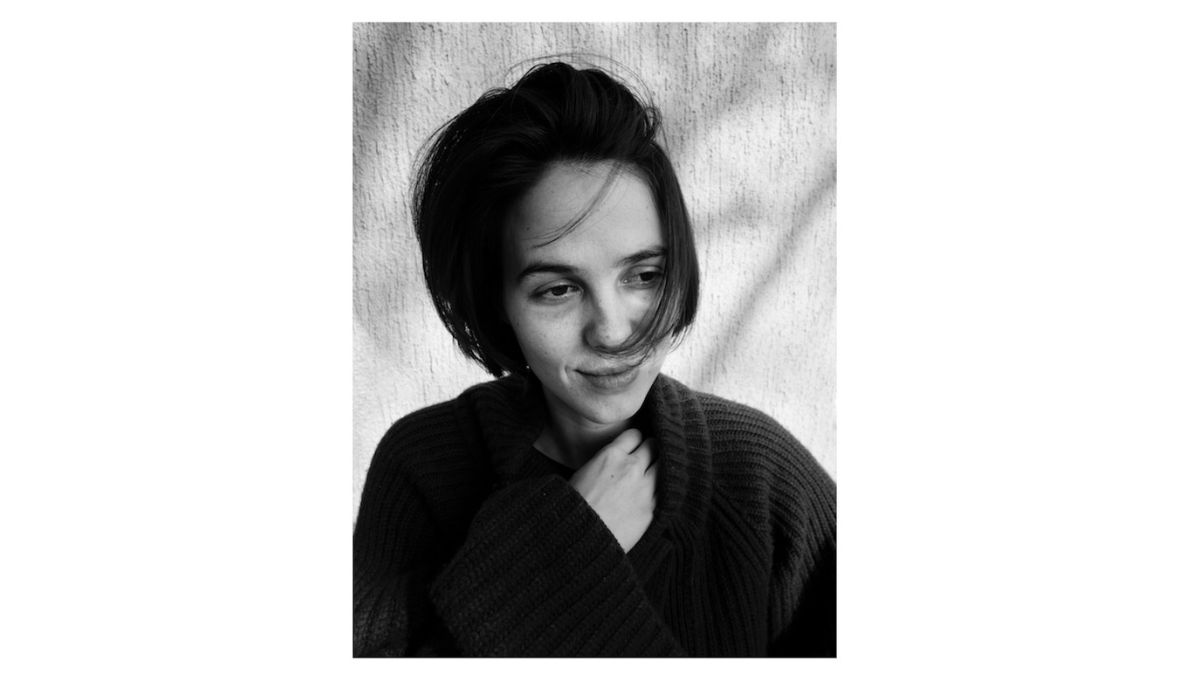
German painter Paula Kamps, known for ethereal watercolors exploring memory and identity, dies at age thirty-six.
Paula Kamps, the German painter celebrated for her ethereal watercolors and ink drawings, passed away on May 27, 2026, at the age of 36.
Her death was confirmed by her Paris gallery, Sans Titre, though the cause was not disclosed.
Kamps was born in Cologne in 1990 and initially studied philosophy at Freie Universität Berlin before pursuing art at Kunstakademie Düsseldorf, where she trained under Lucy McKenzie, Tomma Abts, and Elizabeth Peyton.
Her career was marked by a distinctive style that combined delicate washes of watercolor with ink, creating blurred, dreamlike figures that seemed to hover between presence and disappearance.
This technique allowed her to explore themes of memory, identity, and the fragility of human experience, often portraying fragmented figures, surreal still lifes, and flowers dissolving into landscapes.
Her work was widely exhibited across Europe, Asia, and the United States. She held solo shows at Galerie Christine Mayer in Munich and Zurich, M. LeBlanc in Chicago, and Sans Titre in Paris.
She also participated in international projects such as David Zwirner’s Platform and Mou Projects in Hong Kong.
Her paintings are part of the permanent collection at the X Museum in Beijing, a testament to her growing global recognition.
Beyond her exhibitions, Kamps contributed to the art world as a faculty member at the School of the Art Institute of Chicago, where she influenced a new generation of artists with her sensitivity and unique approach to painting.
Critics often described her as an artist of rare sensitivity, noting how her works captured fleeting moments of memory and emotion.
Her paintings were not simply visual representations but meditations on the passage of time and the instability of identity.
The hazy layering of colors and dissolving forms reflected the tension between appearance and disappearance, making her art resonate deeply with viewers.
Flowers, a recurring motif in her work, were often depicted as fragile symbols of life and transience, while her portraits conveyed a haunting sense of impermanence.
Kamps’ untimely death has left a void in the contemporary art scene. At just 36, she had already established herself as a significant voice in modern painting, bridging European and American sensibilities with philosophical depth and painterly experimentation.
Her legacy lies not only in her exhibitions and collections but also in the way her art continues to evoke reflection on memory, identity, and the ephemeral nature of existence.
Galleries and critics have emphasized that her work will endure, resonating with audiences worldwide who encounter her dreamlike depictions of human experience.
Her passing is a reminder of the fragility of life, a theme she explored so profoundly in her art. Paula Kamps leaves behind a body of work that will continue to inspire and challenge viewers, inviting them to contemplate the delicate balance between presence and absence.
As the art world mourns her loss, it also celebrates the sensitivity and vision she brought to contemporary painting, ensuring that her influence will persist long after her death.