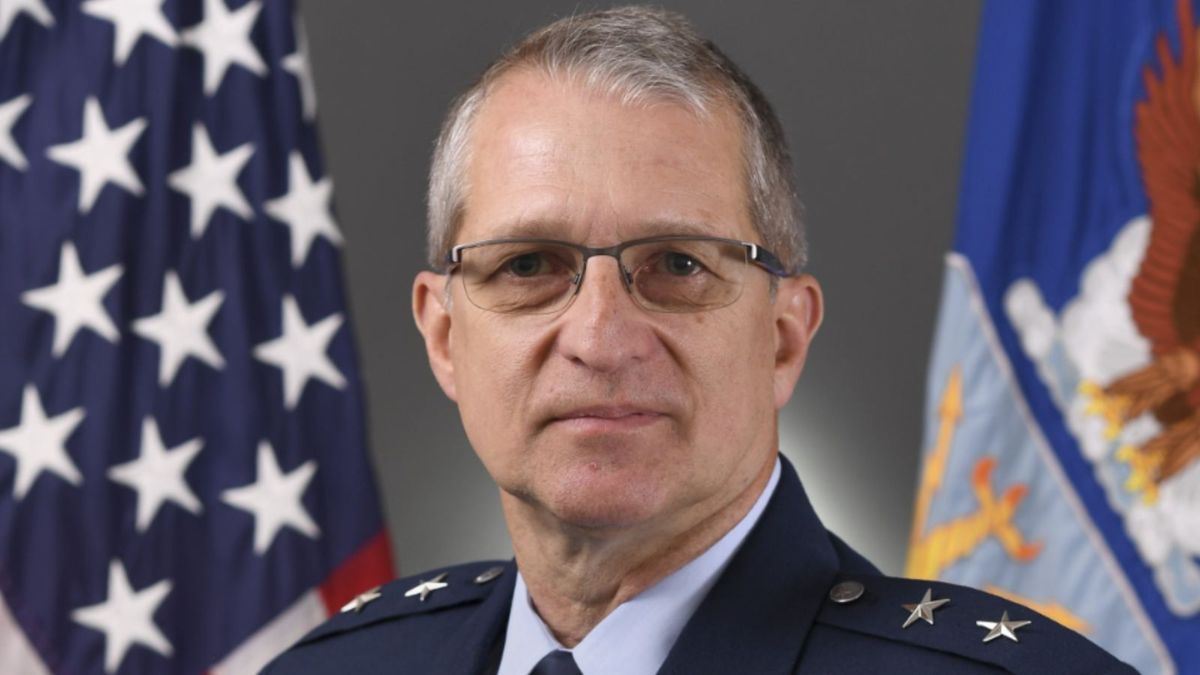
Dr. John Bartrum, the Department of Veterans Affairs’ under secretary for health, announced his resignation this week, ending a tenure of less than a year and a half atop the Veterans Health Administration (VHA), the agency that oversees care for more than 9 million veterans nationwide.
Bartrum notified staff of his decision in an internal email sent Tuesday, June 30, with his departure taking effect July 6. The VA confirmed the resignation on Wednesday. He did not give a specific reason for leaving, though he wrote that he plans to focus on his family and health while continuing to support the administration from the private sector.
A Career Defined by Public Service
Bartrum, a retired Air Force major general, had spent more than four decades in military and civilian government roles before joining the VA. His background included stints at the Department of the Air Force, the National Institutes of Health, the Office of Management and Budget, and the House Appropriations Committee.
He joined the second Trump administration early on as part of its landing team, later became a senior advisor to VA Secretary Doug Collins, and was confirmed by the Senate as under secretary for health in December 2025.
In his farewell message, Bartrum compared his exit to George Washington’s retirement from public life, framing his departure as a natural conclusion after putting key VA initiatives on solid footing.
Key Accomplishments and Ongoing Challenges
During his short time in the role, Bartrum pointed to several major initiatives, including:
- Restarting the Electronic Health Record Modernization program, which resumed rollout to medical centers in April after a three-year pause tied to outages and usability problems. Full deployment across VA sites isn’t expected until as early as 2031.
- Leading VHA’s biggest reorganization in 30 years, an effort tied to a $4.8 billion spending plan this year aimed at restructuring roughly 170 hospitals and 1,300 care sites.
- Reducing patient wait times, which Bartrum described as a meaningful improvement across the system.
- Preparing a new Community Care Network contract, a massive procurement that could be worth up to $700 billion over the next decade and would reshape how VA pays for private sector care.
Not everything was smooth, however. A VA Office of Inspector General report found that VHA had deployed artificial intelligence tools without adequate oversight, raising concerns about patient safety and the agency’s ability to catch errors. Lawmakers from both parties have also criticized VA for being slow to release details on the upcoming Community Care contract.
VA Press Secretary Quinn Slaven thanked Bartrum for his leadership and said the agency would announce interim VHA leadership in the coming days.
Reaction among VA employees has been mixed. Some praised Bartrum’s efforts on the EHR program and reorganization, while others online criticized the timing of his exit and raised questions about his private consulting firm, Brightstar Innovations Group, and whether it had any dealings with the agency during his tenure. Those claims remain unverified.
For now, VA leadership transitions continue as the agency works through some of its largest modernization and contracting efforts in decades.