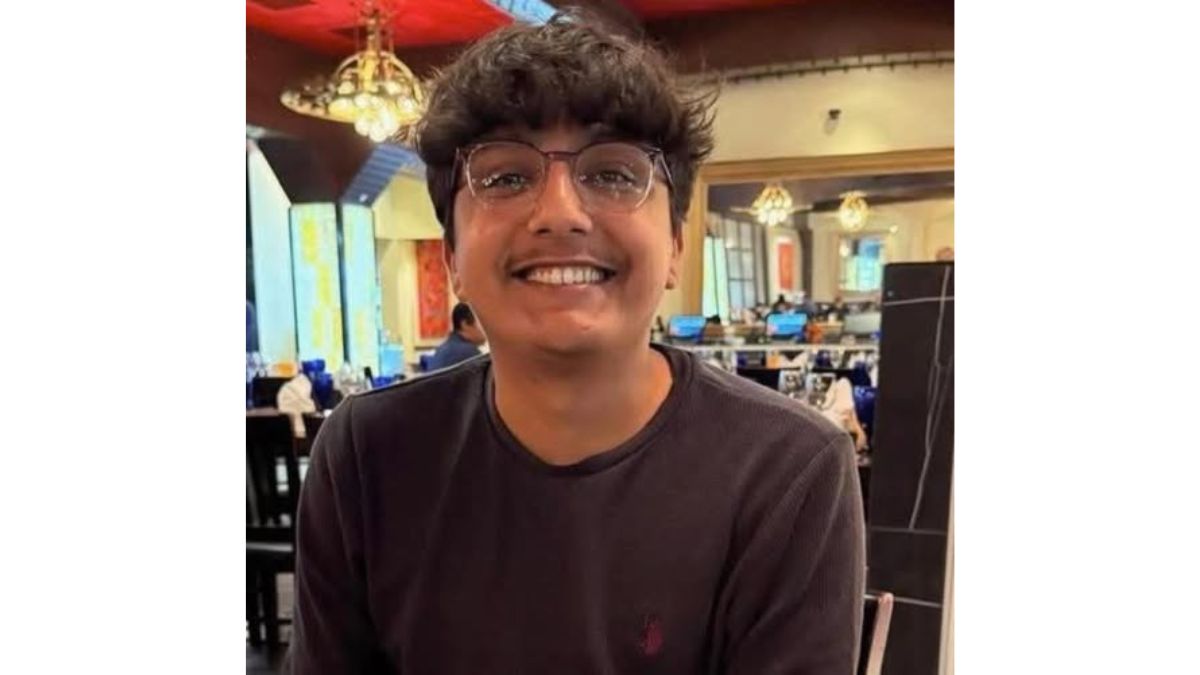
Washington University student Antonio Arellano‑Banda, 20, found dead in Mississippi River; police confirm identity, no foul play.
ST. LOUIS — The Washington University community is mourning the loss of 20‑year‑old Antonio Arellano‑Banda, whose body was recovered from the Mississippi River on May 13, 2026.
Police confirmed his identity on May 18, bringing a tragic end to a search that began when he was reported missing earlier in the month.
Arellano‑Banda, a mechanical engineering student in the McKelvey School of Engineering, was part of the Class of 2028.
Friends and faculty described him as a bright, dedicated young man with a promising future. His disappearance on May 7 sparked concern among classmates and family, who alerted authorities after losing contact with him.
Investigators reported that several of his personal belongings were found on the Eads Bridge, a discovery that intensified the search efforts.
Less than a week later, his body was located near South Broadway in the Carondelet neighborhood of St.
Louis. The St. Louis Metropolitan Police Department later confirmed his identity, offering closure but also deep sadness to those who knew him.
Authorities have stated that foul play is not suspected in his death. The Medical Examiner’s Office is conducting further analysis to determine the official cause.
While the investigation continues, the circumstances surrounding his disappearance and recovery remain a source of grief and unanswered questions for his family and peers.
Washington University released a statement honoring Arellano‑Banda’s memory. The university described him as a valued member of the community, highlighting his dedication to academics and his positive presence among fellow students.
Counseling and support services have been made available to help students cope with the loss.
Friends remembered Antonio as someone who was ambitious yet humble, always willing to lend a hand to classmates struggling with coursework.
His professors noted his curiosity and determination, qualities that made him stand out in a demanding program. His death has left a void in the classroom and among the student body.
The tragedy has also sparked broader conversations about student safety and mental health awareness in St. Louis.
Community members have expressed sympathy for his family while emphasizing the importance of resources for young people navigating academic pressures and personal challenges.
His story serves as a reminder of the fragility of life and the need for compassion within academic communities.
For his family, Antonio’s passing is an immeasurable loss. They have asked for privacy as they grieve, while also expressing gratitude for the support shown by friends, classmates, and the university.
His death has resonated beyond campus, touching many who never met him but recognize the pain of losing someone so young.
As the investigation continues, Antonio Arellano‑Banda is remembered not only for his academic achievements but also for his kindness, ambition, and commitment to his studies.
His legacy will endure in the memories of those who knew him and in the lessons his story imparts about community, resilience, and care.