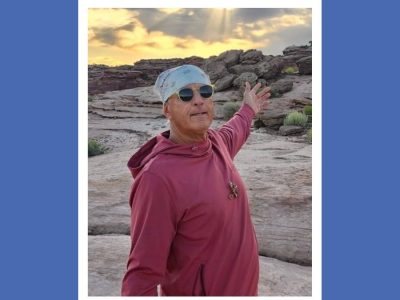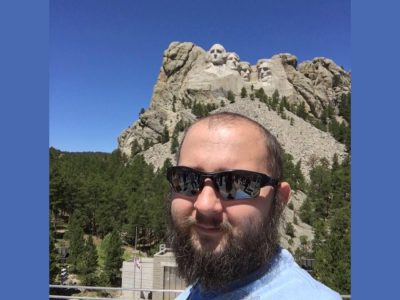
Dr. Brian S. Englander, MD, a respected physician and academic leader in the field of radiology, has passed away, according to institutional and community notices shared across professional and online platforms.
His death has prompted an outpouring of grief and tributes from colleagues, students, and members of the wider medical community who remember him for his clinical expertise, leadership, and dedication to advancing patient care.
Dr. Englander was widely recognized for his role as Chairman of the Department of Radiology at Pennsylvania Hospital, part of the Penn Medicine system.
He also held the position of Robert E. Campbell Professor of Clinical Radiology at the University of Pennsylvania Perelman School of Medicine.
Throughout his career, he was closely associated with academic medicine, combining clinical practice with teaching, research, and program development.
Specializing in breast imaging and intervention, Dr. Englander devoted much of his professional work to improving early detection and treatment of breast cancer.
He was known for his commitment to addressing health inequities, particularly those affecting women in underserved communities.
His efforts extended beyond traditional clinical settings, as he worked to develop mobile cancer screening initiatives through Penn Medicine, aiming to bring diagnostic services closer to populations with limited access to healthcare.
Colleagues describe him as a physician deeply engaged in both local and global health initiatives. He founded the Benek Global Health Project, which focused on expanding access to breast cancer screening and education in resource-limited regions.
His global health perspective was reflected in his academic work and fellowship activities, including his participation as a 2018 USA Fellow with Eisenhower Fellowships.
Dr. Englander’s educational background was rooted in Thomas Jefferson University, where he completed both his residency in diagnostic radiology and his fellowship in breast imaging.
He later returned to Jefferson-affiliated hospitals for training before joining the University of Pennsylvania health system, where he spent more than two decades in progressive leadership roles.
Over the years, he became a central figure in the growth and modernization of breast imaging services within the institution.
In addition to his clinical and administrative responsibilities, Dr. Englander was an active educator and mentor.
Many trainees and junior physicians under his guidance have spoken of his emphasis on compassionate care, rigorous standards, and professional integrity.
He frequently contributed to lectures, academic discussions, and public health initiatives, often highlighting the importance of ethics and equity in medicine.
Beyond his professional life, Dr. Englander often described himself as a husband and father of three.
He was known to enjoy swimming and spending time outdoors, interests that colleagues say reflected his balanced approach to life despite a demanding career.
His passing has been met with condolences from across the medical and academic communities. Tributes highlight not only his professional achievements but also his commitment to improving lives through both direct patient care and broader health system innovation.
Institutions associated with his work have acknowledged his long-standing contributions to radiology, education, and global health outreach.
Dr. Brian S. Englander leaves behind a legacy defined by leadership in academic medicine, dedication to advancing breast imaging, and a strong commitment to health equity.
His work continues to influence colleagues, trainees, and ongoing programs within Penn Medicine and beyond.