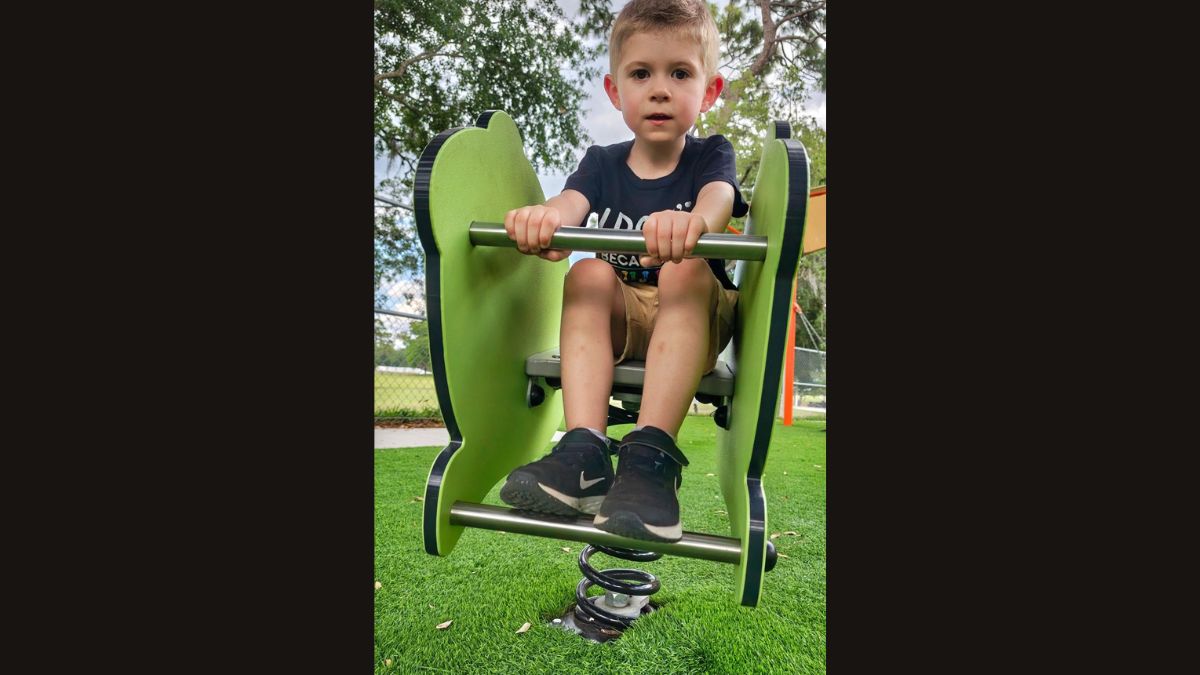
A mother sat on a picnic bench watching her non-verbal autistic son stand alone on the playground while other children drifted away from him. It wasn’t malice that made them leave. It was confusion.
They didn’t understand why he wouldn’t talk or play the way they expected. Then came a child who decided to ask directly.
“Why doesn’t he talk? Look how big he is. Why doesn’t he talk by now?” The child repeated the questions over and over while his parents watched, but said nothing.
This scene plays out regularly for families raising non-verbal autistic children. Parents describe the emotional whiplash of wanting their children included while bracing themselves for judgment, both from other children and from adults who should know better.
Melissa Zimardo shared how a five-year-old girl at a public pool asked her if her son had any friends. When she said no, the child responded with brutal honesty: “I can see why.” Zimardo went home and cried. Her son reached after the girl as she swam away, wanting to connect with someone who couldn’t see past his silence.
Yet other parents report different experiences. Some children, driven by genuine curiosity, have become fierce advocates for their autistic peers once they understand what autism actually means.
One mother explained how teaching other children about her son’s communication differences transformed rejection into acceptance. The other kids began working together to make her son giggle, competing to be his favorite person.
The difference often comes down to one thing: explanation.
Parents have developed various approaches to answering the constant question of why their children don’t talk. Some explain that autism means their child’s brain is wired differently, comparing it to invisible disabilities.
Others use analogies like wheelchairs to help children grasp that not all disabilities are visible. One mother mentioned that when she explained her non-verbal daughter was deaf and discussed how sign language is now taught in schools, children became more accepting.
The real hurt doesn’t come from children’s questions. It comes from parental indifference. When another child persistently asks why your child won’t talk, and their parents stand silently by, watching without intervening, that’s when the pain cuts deepest.
Tasnuva Rubaiyat Rumki, mother of a ten-year-old non-verbal boy, stopped focusing on others’ judgments and concentrated on her son’s emotional wellbeing. After years of seeing sadness in his eyes at the playground, she shifted her approach. She now tells him he doesn’t need other children to be happy and that she is always there for him. The change worked. Her son now plays independently at playgrounds without seeking validation from peers.
Parents across the community emphasize that their children understand far more than they can communicate. One mother works with her fourteen-year-old son using an iPad and an AAC (augmentative and alternative communication) device. When she explains this technology to other children, many become fascinated rather than fearful.
The consistent message from these parents is clear: schools need to teach children about autism and neurodiversity. When education happens early, children become allies rather than judges. The goal isn’t complicated. It’s simply helping all children understand that different doesn’t mean wrong.